
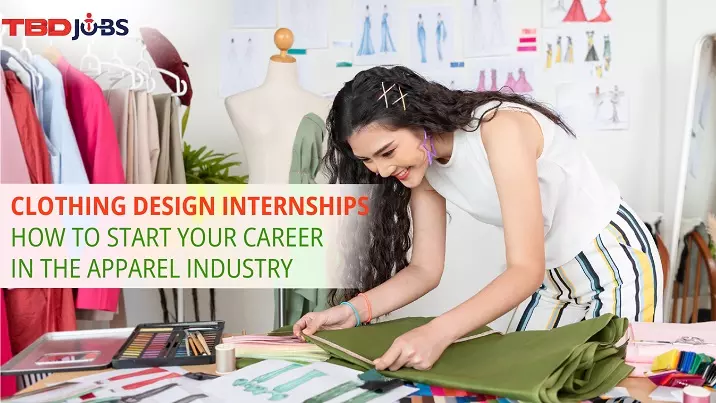
Entering the apparel and fashion industry can feel overwhelming for beginners. In a highly competitive environment, with constant trend evolution and a great deal of skill required, the point of entry becomes very important. In this regard, clothing design internships serve as a game-changer, providing the right entry point into the industry. They are no longer additional components of learning; they are essential components of a successful clothing design career. The hardest part of the journey, especially for starters, begins in this step.
TBD Jobs recognises this problem exists among students, fresh graduates, and wannabe designers. This is why the current topic on apparel internships has been compiled precisely for providing helpful information on how clothes are designed and made.
Whether you want to work in a fashion house, a clothing export company, or a global fashion brand, internships are a gateway that will provide you with limitless opportunities. Hence, without adding any more to that topic, let’s enter the world of fashion and explore how to start a successful career in the apparel industry in 2026.
Also Read:- Clothing Designer Careers: Roles, Skills & Salary Guide
What Is a Clothing Design Internship?
Clothing Design Internship is an organised, short-term work opportunity provided by clothing brands, clothing manufacturers, export houses, clothing design studios, and retail firms. The interns work under experienced designers and merchandising teams to help with their projects and day-to-day activities.
As compared to a classroom setting, internships immerse you in the field environment where you get to witness and take part in:
- Clothing design development
- Fabric and trim sourcing
- Sampling & Fittings
- Trend research and mood boards
- Production coordination and quality assurance
A typical fashion internship will last from 1 to 6 months and will be either paid or unpaid, depending on the company and location.
Why Clothing Design Internships Matter
The fashion industry is very practical and time-bound. Among employers, hands-on experience is much more valued than theoretical design talent. This explains why internships are a must, apart from other options.
Real-World Industry Exposure
Internships allow you to witness the full life cycle of a garment from design to finish. Additionally, it helps to understand the affective costs and production times involved to meet the design requirements.
Skill Development Beyond Theory
While colleges teach design principles, internships teach:
- How to handle buyers’ requirements
- How production constraints affect creativity
- How to work within timelines and budgets
Increased Employability
When you become a certified apparel internship candidate, the chances of getting hired as an assistant designer are high. Moreover, you can also be employed in the role of merchandisers or product developers because you already know the workplace ethics.
Also Read:- Apparel Design Career Path: From Internship to Senior Designer
How Internships Build Skills, Exposure, and Networks
Practical Skill Development
Through clothing design internships, you learn skills such as
- Fabric ID & Usage
- Fit analysis and measurements of garments
- Tech pack preparation
- Sample evaluation and correction
Such skills are essential in ensuring a successful career in clothing design jobs.
Industry Exposure
Internships assist in comprehending:
- How designers work together with merchandisers and production staff.
- How Brands Relate to Suppliers and Factories.
- Fashion calendars around the world and how they work.
Professional Networking
Interns also get direct exposure to senior designers, as well as managers, and these interactions result in:
- Job referrals
- Freelance possibilities
- Future full-time roles
In many instances, the internship immediately leads to a full-time job.
Types of Clothing Design Internships
Fashion House Internships
Provided by couture designers and fashion brands, these internships aim at
- Concept development
- Hand sketches, Draping
- Luxury fabrics & details
Best for students interested in luxury or designer wear.
Garment Export & Production Internships
Interns concentrate on large-scale manufacturing and buyer-driven designs. They learn about:
- Sampling and approvals
- Buyer communication
- Quality Control & Production Follow-ups
It is ideal for people who want to pursue a career in export houses or global apparel brands.
Retail & Brand Internships
Retail fashion internships will include the following:
- Trend research
- Merchandising visualisation
- Consumer behaviour analysis
These internships are ideal for candidates with an interest in brand management and merchandising.
Freelance & Remote Internships
With digital technologies, some design internships can be done remotely. The design interns help with:
- Digital sketches
- Trend reports
- Online catalogue design
These are ideal for students looking for flexible learning solutions.
Also Read:- Jobs for Fashion Designers in India: Career Options, Salaries & Hiring Guide
Key Responsibilities of a Clothing Design Intern
Although, despite the varying nature of their tasks, the majority of interns are assigned both creative and operational functions.
- Everyday Activities
- Tools & Software Exposure
- Although responsibilities vary, most interns handle a mix of creative and operational tasks.
Daily Tasks
- Development of mood boards and trend reports
- Helping with sketches and CAD designs
- Fabric and trim libraries
- Supporting fittings and reviews of samples
Tools & Software Exposure
Interns learn the usage of:
- Adobe Illustrator
- Adobe Photoshop
- CLO3D or other tools that allow visualisation of garments.
These tools greatly aid in enhancing employability.
Skills You Gain During Clothing Design Internships
Creative Skills
- Design visualisation
- Color coordination
- Trend interpretation
Technical & Production Skills
- Garment construction basics
- Accuracy of measurements
- Sampling workflow understanding
Professional Skills
- Time management
- Team collaboration
- Communication with multiple departments
These skills enable students placed as interns to be prepared for a job in the apparel industry.
How to Get a Clothing Design Internship
Step 1: Build a Basic Portfolio
Include:
- Hand sketches or digital designs
- Mood boards
- College or personal projects
A simple but clear portfolio is sufficient for entry-level apparel internships.
Step 2: Apply Through the Right Channels
Internships can be found via:
- Fashion institutes and placement cells
- Company websites
- Professional networks like LinkedIn
- Dedicated apparel job platforms
Step 3: Be Open to Learning
Interns are not expected to know everything. Curiosity, discipline, and willingness to learn matter more than perfection.
Salary & Stipend Expectations
-
Many internships offer stipends ranging from basic allowances to structured monthly pay
-
Paid internships are more common in export houses and large brands
-
Unpaid internships may still offer valuable exposure and learning
The real return on investment is the experience and industry entry point.
From Internship to Full-Time Job
A successful internship often leads to:
- Assistant apparel designer roles
- Junior merchandiser positions
- Sampling coordinator or product development roles
Interns who show commitment, adaptability, and skill improvement are frequently offered long-term opportunities.
Top Companies Offering Clothing Design Internships
Popular companies and organisations include:
- Global fashion brands
- Leading Indian apparel groups
- Export-oriented garment manufacturers
- Boutique fashion labels
Applying early and networking effectively increases your chances of selection.
Challenges During Internships
Internships can be demanding. Common challenges include:
- Tight deadlines
- Long working hours during peak seasons
- High learning pressure
However, these challenges help build resilience and professional maturity.
Career Opportunities After a Clothing Design Internship
After completing internships, career paths include:
- Assistant designer
- Apparel merchandiser
- Fashion stylist
- Product developer
Internships help clarify which direction suits your skills and interests best.
Conclusion
Clothing design internships are the gateway to the apparel industry. They provide hands-on skills, real-world exposure, and professional connections that no classroom alone can offer. For anyone serious about building a future in fashion, internships are not optional—they are essential.
To understand how internships fit into long-term growth and explore future roles, continue your journey by exploring the Apparel Design Career Path and plan your next steps with clarity and confidence. To understand how internships fit into long-term growth and explore future roles, continue your journey by exploring the Apparel Design Career Path and plan your next steps with clarity and confidence.
For more professional advice, you can land on the platform like TBD Jobs, the world's only textile apparel-specific job portal. Here you can find the solution to all job concerns.
Take the leap before it's too late. Build your future with us!
Also Read:- Specialised Fashion Careers: The Rise of Stylists, Technologists & Emerging Roles






.webp)





Leave a Comment
5 Comments
04 Feb 2026, 05:59 PM
10 Feb 2026, 11:49 PM
19 Feb 2026, 02:15 PM
13 Mar 2026, 06:16 PM
27 Mar 2026, 11:15 PM