
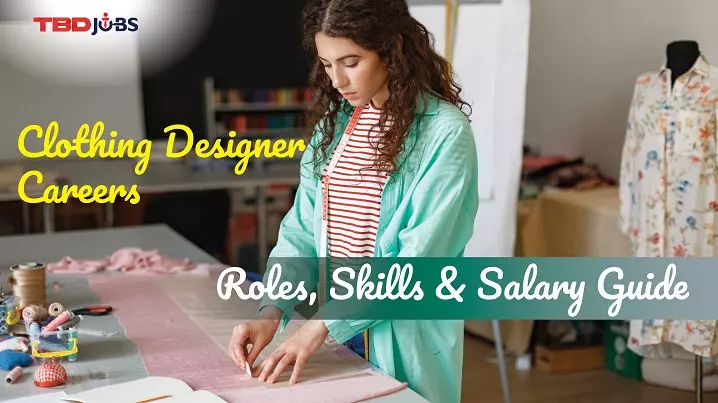
Among the multiple roles in the fashion and apparel industry, cloth design is one of the most desirable career options. Often, many people consider clothing designers as fashion designers because these terms are used interchangeably to describe designers who create beautiful clothing and accessories.
However, in the professional world, these two have a subtle difference in focus. Whereas a fashion designer primarily centers on trends and the overall style and look, a cloth designer focuses on the technical side of a product, such as making designed cloth wearable, cost-effective, and suitable for mass production. The rising e-commerce market, changing fashion trends, and customising needs made both the designers highly in demand in 2025.
So, TBD Jobs is here to bring a comprehensive guide, whether you want to become a fashion or clothing designer. After a complete fashion-designing career description, we take a detailed look at the clothing designer career in this blog. TBD Jobs understands the need for job seekers and is always here to guide or get you placed in the right career in the textile industry.
So, without any further ado, let’s dive deep into the guide!
Also Read:- Fashion Jobs in India: Complete Guide to Design, Merchandising, and Styling Careers
Who is a Clothing Designer?
Before you become a clothing designer, one of the most important things to understand is that clothing Designers, also called Apparel and Technical Designers, have the necessary technical knowledge and skills to convert fabric into a finished garment. A clothing designer's role in the life of a garment fibre involves various choices fibers, weaving or knitting methods, colours, design, dyeing and finishing procedures.
In addition, the clothing designer works closely with the textile mills and production team to provide visually pleasing garments with the right structure and size that meet market needs. Related job roles include Junior Clothing Designer, Textile Designer, Fabric Designer, Print Designer & technical designer, which are your stepping stones to a career in fashion.
When comparing clothing designers and fashion designers, fashion designers are more concerned with the general style, silhouette and appearance of a piece of clothing; the clothing designers deal with the material that the fashion designer operates with.
Fashion designers will determine the type of outfit that should be produced, yet the clothing designers will determine the type of fabric that will be used to make that a reality. This is what makes their work a combination of art and scientific knowledge.
Having information about textile science, material properties, and industrial processes, a clothing designer assists in the creation of fabrics that are beautiful, comfortable, durable, and applicable to various kinds of clothes. They are a vital component of the fashion and textile industry since their work links the raw materials with the finished fashion products.
Types of Clothing Designers
After coming to the fact of what a clothing designer does, it's time to know about the types of clothing designers. Let’s check it out:
Fashion Designer
Similar to a clothing designer, a fashion designer also indulges in designing clothing and accessories, focusing on trend-driven designs. Their creative and smart skills help build brands in the retail and couture markets, making fashion designer roles the most in-demand.
Technical Designer
A technical apparel designer focuses on fit, construction, and production accuracy to turn creative sketches into wearable products. Brands rely on technical apparel designer expertise to ensure quality and consistency.
Textile / Fabric Designer
A textile designer develops prints, patterns, and innovative fabrics used across fashion and home textiles. With the rising demand for material innovation, textile designer jobs are growing rapidly.
Costume Designer
A costume designer creates character-specific outfits for films, theatre, and media productions. Creativity and storytelling make costume designer jobs both artistic and specialised.
Freelance Clothing Designer
A freelance clothing designer works independently on client-based fashion projects, offering custom design solutions. With flexible work models, clothing designer freelance opportunities are expanding worldwide.
Skills You Need to Become a Clothing Designer
To become a successful clothing designer, one must be good with clothing design skills, such as technical, creative, and branding. Let’s learn about them.
Technical Skills
A designer should have those intuitive technical skills, such as sewing and garment construction, creating detailed technical packages (tech packs), and advanced pattern-making and fitting expertise. These technical skills help to transform a fabric into an aesthetic, ready-made garment with solid fabric knowledge, draping, and CAD software.
Creative Skills
To become a clothing designer, having technical skills is not enough; one should also understand creative fashion skills such as colour theory, sketching, and aesthetics, as per the trend. These qualities allow designers to create beautifully pleasing and trend-aligned collections. These skills turn a straightforward idea into expressive, unique, and commercially viable designs.
Business & Communication Skills
In the textile industry, creating a ready-to-use product is not that profitable; a designer needs to understand branding, costing, and client communication. Here, design business skills helped a lot to convey the story of the idea effectively, collaborate smoothly, and make design decisions that support profitability.
Also Read:- Specialised Fashion Careers: The Rise of Stylists, Technologists & Emerging Roles
Education & Qualifications Required
Many students choose different textile science, apparel technology, and garment construction courses to become clothing designers after 12th. Some popular institutes like NIFT, FIT, Pearl Academy, and NID offer undergraduate and postgraduate programs that equip you with industry-ready skills.
Degree programmes do not only count for higher education; short-term certifications like clothing design courses, fashion diplomas, CAD training, and textile specialisation can also be a way to gain practical experience. The courses cover basic design principles, application of software and the real world by means of projects and internships.
Career Path in Clothing Design
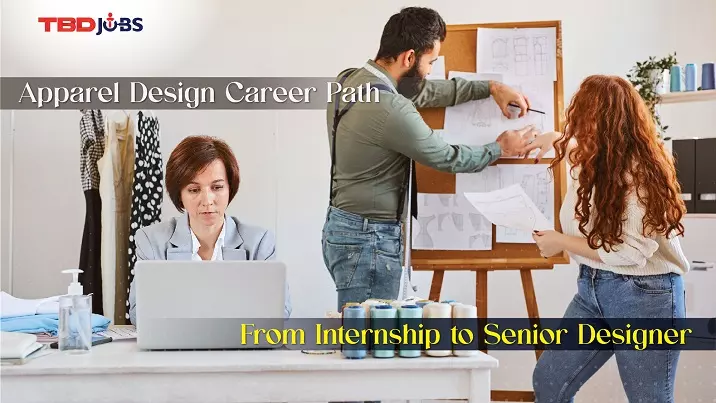
The path of every fashion designer unfolds gradually, step by step, while they acquire knowledge in imagery, fabrics, and manufacturing. A common clothing design career pathway is as follows:
- Intern: Assists senior designers, learns sampling, trend studies, and fabric basics.
- Assistant Designer: Supports design development, works with mills, and monitors production.
- Clothing / Apparel Designer: Creates collections, handles fabric selection, and ensures design-professional alignment.
- Senior Designer: Leads a design team, manages brand aesthetics, and makes key design decisions.
- Creative Director: Oversees brand identity, long-term vision, and innovative design strategies.
Through skill development and continuous learning, the possibilities for an apparel designer to grow are open not only in fashion houses but also in export companies, mills, and retail brands.
Salary Trends in Clothing Design
Clothing designer salaries depend on experience, specialisation, technical expertise, and the company you work for. Below is an approximate salary comparison for Indian and international markets.
Clothing Designer Salary (India & International)
| Role / Experience Level | India (Annual Avg.) | International (Annual Avg.) |
| Intern | Rs 1.2 to Rs 2 LPA | $12,000 to $18,000 |
| Assistant Designer | Rs 3 to Rs 5.5 LPA | $25,000 to $35,000 |
| Clothing / Apparel Designer | Rs 5 to Rs 10 LPA | $35,000 to $60,000 |
| Senior Designer | Rs 12 to Rs 20 LPA | $60,000 to $95,000 |
| Creative Director | Rs 25 LPA+ | $100,000 to $200,000+ |
Also Read:- Fashion Merchandising in India: Role, Salary, Skills & Career Growth
Where to Find Clothing Designer Jobs
Clothing designer job opportunities are growing worldwide with the expansion of e-commerce, D2C brands, and sustainable fashion initiatives. You can easily search for clothing design jobs online on credible job platforms.
Popular platforms include:
- LinkedIn: Global opportunities and company listings
- TBD Jobs: Specialised portal for textile & apparel jobs
- Naukri/Indeed: Mass hiring platforms
- Dribbble & Behance: Best for portfolio-based design roles
- Company career pages (H&M, Zara, Myntra, Arvind, Raymond)
These platforms frequently list apparel designer jobs, internships, and freelance opportunities across India and abroad.
How To Succeed in Clothing Design
To learn how to design clothing requires that you constantly learn, practice, and keep aware of what is happening in the industry. Here are some tips for becoming a successful clothing designer to help you grow:
- Create a Strong Portfolio: Display your best sketches, fabric selections, croquis, cohesive mood boards, and samples of finished garments.
- Keep Up With Trends: Monitor trends through WGSN, fashion magazines, and international runway shows.
- Get Familiar With New Software: Learn CAD, Illustrator, CLO3D, and more 3D design software.
- Visit Fashion Expos & Workshops: Such trade events as the India Fashion Forum and Textile Tech Expo are a great way to get to know the industry.
- Active Network: Build relationships with mills, designers, brands, and influencers.
- Keep Experimenting: Play with colours, materials, prints, and eco-friendly fabrics.
These tips really do boost your confidence and value as a pro. Provide tips on how to do this: build a solid portfolio, keep learning, and go to fashion expos.
Careers in Clothing Design for the Future
The future of clothing design is influenced by technology and sustainability, as well as innovation. With the adoption of AI in apparel design, digital patternmaking and virtual prototyping, designers can develop collections with greater speed and precision. Among the major trends that are shaping the future of fashion design are:
- Sustainable Fashion: Organic cotton, bamboo, hemp and other renewable fibers, as well as recycled materials and zero-waste patternmaking
- AI-Based Design Tools: Intelligent design recommendations, automated grading and predictive fashion analytics
- 3D Patternmaking & Digital Sampling: Cost, time, and waste reduction
- Smart Textiles: With Sensors, Thermoregulating Fabrics and Functional Wear
- Customisation & On-Demand Production: Speedier delivery and less inventory waste
This shift creates new career roles and expands opportunities for tech-savvy apparel designers.
Also Read:- Apparel Industry Jobs & Career – Complete 2025 Guide


.webp)




Leave a Comment
14 Comments
30 Dec 2025, 09:50 PM
09 Jan 2026, 08:35 AM
14 Jan 2026, 06:41 AM
28 Jan 2026, 04:35 AM
11 Feb 2026, 01:19 AM
26 Feb 2026, 03:09 AM
26 Feb 2026, 03:10 AM
14 Mar 2026, 07:38 AM
20 Mar 2026, 04:25 PM
28 Mar 2026, 12:30 AM
11 Apr 2026, 08:01 AM
25 Apr 2026, 08:04 AM
09 Dec 2025, 10:00 PM
15 Dec 2025, 05:27 PM